 Skip to content
Living with severe hip stiffness, limping, and chronic groin pain can make basic daily activities exceptionally difficult. When advanced joint degeneration or bone collapse destroys your hip, non-surgical options may stop providing relief. Consequently, if you are looking to eliminate chronic pain and restore your active lifestyle, undergoing professional Hip Replacement Surgery in Varanasi can help you achieve a safe and successful recovery.
At Ayaansh Ortho Center, our joint reconstruction and replacement team specializes in advanced total hip arthroplasty (THA). We combine surgical precision, robotic-assisted navigation, and personalized physical therapy to ensure optimal joint stability and leg length restoration. In this highly comprehensive, clinically detailed guide, we will analyze what hip replacement is, its anatomical indications, surgical options, implant materials, advanced surgical technologies, and the step-by-step rehabilitation process.
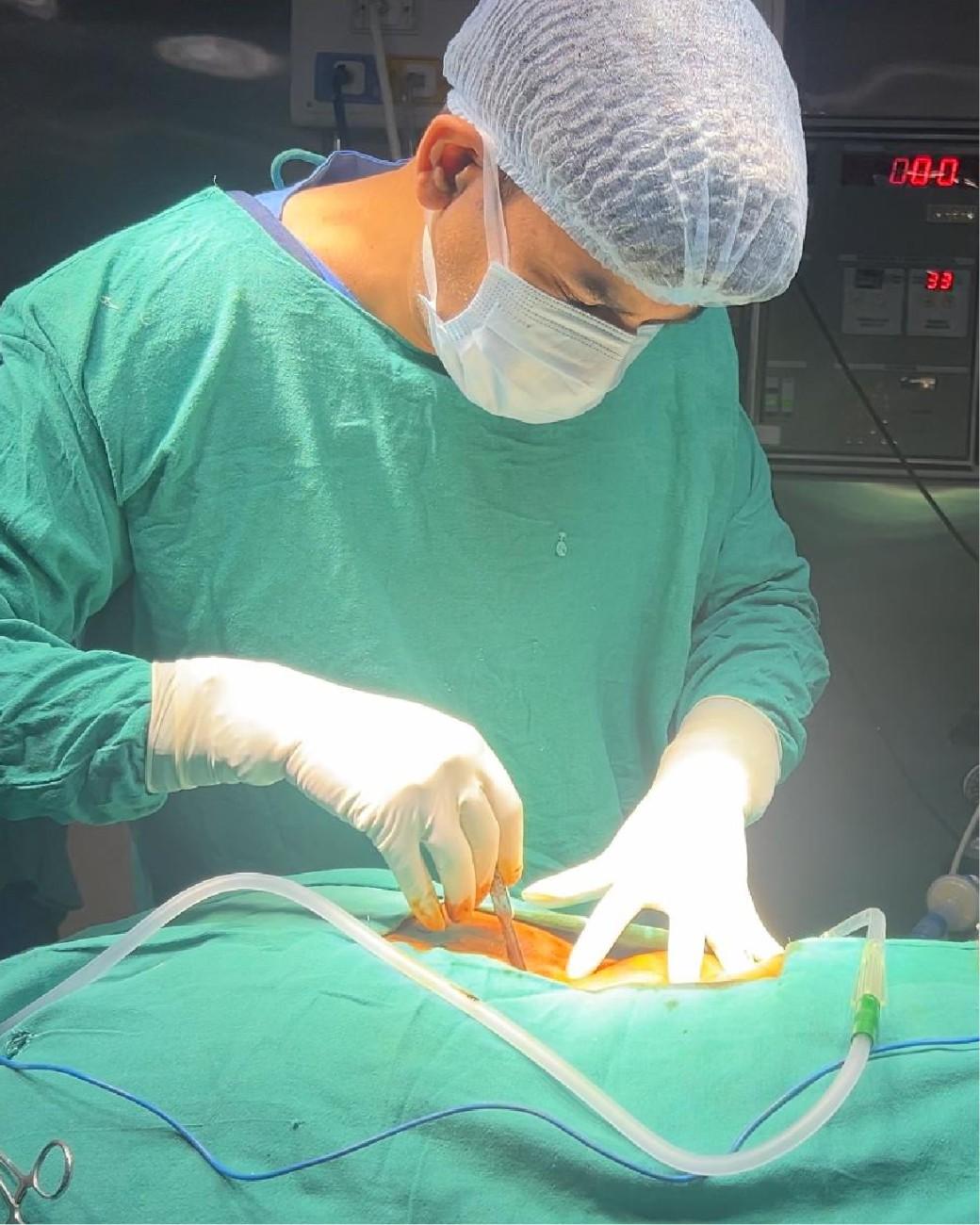
Finding Specialized Hip Replacement Surgery in Varanasi
Every arthritic hip joint undergoes unique structural changes, including joint space narrowing, bone spur formation, and leg length discrepancy. Therefore, choosing specialized Hip Replacement Surgery in Varanasi ensures that you receive a highly customized, state-of-the-art care plan. An experienced joint replacement surgeon will evaluate your joint stability, bone density, and acetabular alignment before performing joint reconstruction.
Furthermore, delaying surgical replacement for end-stage joint wear can cause severe, progressive deformities. For instance, walking with a collapsed hip joint causes your pelvis to tilt abnormally. This pelvic tilt overloads your lower back, leading to chronic spinal pain. To understand how lower back issues are evaluated and differentiated from hip joint pathology, explore our comprehensive resource on back pain treatment in Varanasi to understand spinal health. At Ayaansh Ortho Center, we utilize advanced medical technology to restore your hip’s natural mechanical axis. This precise anatomical alignment minimizes pain, ensures long-term implant survival, and accelerates your post-operative recovery.
Part 1: The History and Anatomy of Hip Degeneration
To begin with, we must examine the history of joint replacement surgery to appreciate its modern success. The first attempts to rebuild hip joints began in the late 19th century. Specifically, French surgeon Alexis Carrel attempted to use ivory implants. Subsequently, in the early 20th century, surgeons experimented with glass, Pyrex, and mold arthroplasty.
However, these early designs failed frequently due to high friction, material breakage, and poor tissue compatibility. Consequently, the true breakthrough occurred in the 1960s. Sir John Charnley, a British orthopedic surgeon, pioneered the low-friction total hip replacement. He introduced the concept of pairing a stainless steel femoral head with a thick plastic (polyethylene) acetabular socket, securing them with bone cement. Today, total hip replacement is one of the most successful, reliable, and life-changing procedures in all of modern medicine.
Anatomy of Hip Joint Wear
To understand why replacement is necessary, we must look at the structural changes that occur during severe joint wear. The hip is a classic ball-and-socket joint.
- The Ball (Femoral Head): This is the rounded top of your thighbone (femur).
- The Socket (Acetabulum): This is the cup-like cavity in your pelvis bone where the femoral head fits.
- The Labrum: A ring of tough, flexible cartilage surrounds the acetabulum, acting as a rubber seal to hold the ball securely.
- Articular Cartilage: A smooth, slippery tissue covers both the femoral head and the acetabulum. This cartilage absorbs shock and prevents the bones from rubbing directly against each other.
During the progression of severe hip pain, this cartilage breaks down completely. As a result, the protective cushion disappears, leading to bone-on-bone contact. This friction triggers chronic inflammation, bone spurs (osteophytes), subchondral bone hardening (sclerosis), and progressive joint deformity.

Primary Indications: When is Surgery Necessary?
Orthopedic specialists recommend hip replacement surgery when severe joint degeneration limits your daily function. Generally, the primary indications include:
1. End-Stage Joint Wear (Osteoarthritis)
First, end-stage osteoarthritis is the leading reason patients seek surgical replacement. When the protective cartilage has worn away completely, leaving the bones to rub against each other, non-surgical treatments can no longer provide relief. Consequently, undergoing Hip Replacement Surgery in Varanasi at the right stage helps prevent joint stiffness and severe muscle wasting.
2. Avascular Necrosis (AVN) of the Femoral Head
Second, avascular necrosis occurs when the blood supply to the femoral head is interrupted. Without a healthy blood supply, the bone cells die, causing the joint surface to collapse. This condition is highly common in young adults and is often linked to steroid use, excessive alcohol consumption, or trauma.
3. Inflammatory Arthritis
Third, systemic inflammatory conditions like rheumatoid arthritis and ankylosing spondylitis can cause the body’s immune system to attack and destroy the synovial lining of the joint.
4. Hip Fractures
Finally, hip fractures are major orthopedic emergencies, particularly in elderly individuals. A sudden fall can break the femoral neck, requiring immediate surgical stabilization or joint replacement to prevent life-threatening immobility.

Part 2: Types of Hip Replacement Surgery
Indeed, hip replacement is not a one-size-fits-all procedure. Orthopedic surgeons categorize joint replacements into three primary types, depending on the extent of your joint damage.
Comparing Total, Partial, and Revision Replacement Options
- Total Hip Arthroplasty (THA): This is the most common form of Hip Replacement Surgery in Varanasi. It replaces both the femoral head and the acetabular socket with highly durable artificial implants.
- Partial Hip Replacement (Hemiarthroplasty): Alternatively, specialized clinics offering Hip Replacement Surgery in Varanasi also perform this partial surgery. It replaces only the damaged femoral head, preserving your healthy pelvic socket. This is commonly performed for elderly patients with hip fractures.
- Revision Hip Arthroplasty: This complex surgery replaces a failed, loose, or worn primary hip implant to restore pelvic stability, bone volume, and joint function.
Surgical Approaches to the Hip Joint
The surgeon can access the hip joint through several distinct anatomical pathways, depending on your physical condition.
- Direct Anterior Approach (DAA): The surgeon makes an incision on the front of the hip. Specifically, this muscle-sparing approach slides between the muscles rather than cutting them. This leads to a faster early recovery and a lower risk of joint dislocation.
- Posterior Approach: The surgeon makes an incision on the side and back of the hip. This is the most common approach, offering excellent visibility of the joint structures. However, it requires temporary splitting of the gluteal muscles.
- Lateral / Anterolateral Approach: The surgeon accesses the joint from the side. This approach is highly stable and carries a very low dislocation risk. However, it requires temporary splitting of the gluteus medius muscle.
Advanced Implant Designs and Material Science
To ensure maximum durability, modern hip implants are manufactured using advanced biocompatible materials. The artificial joint consists of four primary components:
- The Acetabular Cup: A metal shell that fits into your pelvis socket. Typically, this component is made of porous-coated titanium to allow bone growth.
- The Acetabular Liner: A smooth plastic or ceramic spacer that snaps into the metal cup, acting as the new socket lining.
- The Femoral Head: A rounded ball made of ceramic or metal that fits into the socket liner.
- The Femoral Stem: A metal stem inserted into your thighbone canal to anchor the new joint securely.
Bearing Surfaces (Tribology):
The choice of bearing materials is critical for the long-term survival of your hip implant.
- Ceramic-on-Polyethylene (Highly Cross-Linked): This is the most common and reliable bearing surface. The smooth ceramic ball glides against a highly cross-linked polyethylene liner. This combination offers extremely low wear rates and is highly durable.
- Ceramic-on-Ceramic (CoC): This bearing surface features a ceramic head gliding against a ceramic liner. It has the absolute lowest wear rate, making it the ideal choice for younger, highly active patients.
- Metal-on-Polyethylene: A highly cost-effective and reliable option, standard of care for older or less active patients.
Fixation Methods: Press-Fit vs. Cemented
- Press-Fit (Cementless) Fixation: The implants are coated with a rough, porous surface. Over several weeks, your natural bone grows directly into the porous coating, securing the implant naturally. This is the standard choice for younger patients with excellent bone quality.
- Cemented Fixation: The surgeon uses bone cement (PMMA) to glue the components securely to the bone. This method provides immediate stability and is ideal for older patients with osteoporotic bone.
Part 3: Surgical Technologies and Innovations
Indeed, modern joint reconstruction has evolved significantly beyond manual surgery. Today, surgeons utilize advanced technologies to achieve unparalleled alignment accuracy.
1. Computer-Assisted Navigation Systems
During surgery, specialized sensors are temporarily attached to your pelvis and femur. These sensors communicate with an optical camera system, creating a digital model of your hip. Consequently, the computer displays the exact joint angles and leg length in real-time, helping the surgeon make precise cuts down to the millimeter.
2. Robotic-Assisted Hip Surgery
Robotic systems represent the cutting edge of joint replacement.
- Pre-Operative 3D Planning: Before the procedure, the patient undergoes a CT scan of the pelvis. The software converts this scan into a 3D digital model, allowing the surgeon to plan the exact implant size, pelvic inclination, and femoral anteversion before the first incision.
- Robotic Arm Precision: During surgery, the surgeon guides a robotic arm to perform the precise acetabular reaming. The system prevents the tool from moving outside haptic boundaries, protecting critical nerves and blood vessels from accidental damage. Consequently, incorporating robotic systems into Hip Replacement Surgery in Varanasi ensures an exceptionally high level of clinical precision.

Part 4: The Patient Journey and Surgical Workflow
A successful hip replacement depends on a well-coordinated, step-by-step clinical journey.
1. Pre-Operative Preparation and Optimization
Before surgery, the patient undergoes a comprehensive medical clearance.
- Cardiology and Medical Check: Ensuring your heart, lungs, and kidneys are healthy enough to undergo anesthesia.
- Diabetes Management: High blood sugar levels can slow down healing and increase the risk of infection. Therefore, we optimize your HbA1c levels before scheduling surgery.
- Dental Clearance: Eliminating any active dental infections to prevent bacteria from traveling through the bloodstream and colonizing the new implant.
2. Modern Anesthesia and Pain Management
Our anesthesia team utilizes advanced multimodal pain pathways to ensure your comfort while preserving muscle strength.
- Spinal Anesthesia: Numbs the lower body, allowing you to remain comfortable during the procedure.
- Regional Nerve Blocks: The doctor injects local anesthetics to block sensory nerves around the pelvis, providing excellent pain relief for 12 to 24 hours after surgery.
3. The Surgical Steps of Total Hip Arthroplasty
Specifically, the physical execution of Hip Replacement Surgery in Varanasi requires a series of highly coordinated, meticulous steps.
- Incision: The surgeon makes a precise incision over the hip joint according to the chosen surgical approach.
- Dislocation: He gently dislocates the joint, exposing the femoral head and pelvic socket.
- Femoral Neck Osteotomy: He cuts and removes the damaged, arthritic femoral head.
- Acetabular Reaming: The surgeon uses a specialized hemispherical reamer to clear away the damaged cartilage inside the pelvic socket, shaping it to fit the new cup.
- Cup and Liner Insertion: He presses the titanium cup into the reamed socket and snaps the polyethylene or ceramic liner into place.
- Femoral Preparation: He prepares the hollow canal of the femur bone using specialized broaches.
- Stem and Head Insertion: He inserts the titanium femoral stem into the canal and attaches the ceramic or metal ball to the stem neck.
- Trial Reduction: He reduces the joint, putting the ball back into the socket, and tests for stability, range of motion, and leg length equality.
- Final Assembly: He places the permanent components and secures them.
- Closure: Finally, he performs a multi-layer, watertight closure of the joint capsule and skin.
Modern Protocols for Hip Replacement Surgery in Varanasi
At Ayaansh Ortho Center, we prioritize rapid recovery and joint durability. Specifically, we design our protocol for Hip Replacement Surgery in Varanasi around the Enhanced Recovery After Surgery (ERAS) pathway. This advanced medical approach optimizes every phase of your surgical journey.
Additionally, we integrate advanced technologies to achieve perfect joint stability and leg length equality. Whether utilizing computer navigation or robotic assistance, our primary goal is to restore the natural biomechanics of your hip. This high level of alignment precision ensures that physical forces are distributed evenly across your new joint. Consequently, this prevents localized plastic wear, minimizes joint pain, and extends the lifespan of your hip implant.
Part 5: Advanced Rehabilitation and Criteria-Based Physical Therapy
Indeed, your recovery depends heavily on your commitment to physical therapy. During your physical rehabilitation after Hip Replacement Surgery in Varanasi, you will follow a customized program designed to restore your functional mobility safely.
The Standard Post-Operative Progression Schedule
- Phase 1: Early Mobility (Weeks 1 to 2): During this first stage, you focus on standing and taking your first steps using a walker, learning to navigate daily tasks safely while observing joint precautions.
- Phase 2: Progressive Strengthening (Weeks 3 to 6): During this intermediate stage, you work toward transitioning to a cane or walking independently, starting gentle hip abduction exercises to stabilize your pelvis.
- Phase 3: Advanced Functional Integration (Weeks 7 to 12): During this final stage, you focus on building advanced gluteal strength, climbing stairs comfortably, and returning to low-impact physical activities.

Phase 1: Homeostasis and Early Mobility (Weeks 1–2)
The primary goals are to manage pain, reduce swelling, activate the gluteal muscles, and protect the healing incision.
- Walker-Assisted Walking: The physical therapist helps you stand and take your first steps using a walker.
- Gluteal Sets: Squeeze your buttocks tightly, hold for 5 seconds, and relax. Complete 15 repetitions.
- Ankle Pumps: Move your foot up and down rapidly to promote circulation and prevent blood clots.
- Observing Precautions: If your surgeon used a posterior approach, you must avoid bending your hip past 90 degrees, crossing your legs, or twisting your foot inward.
Phase 2: Progressive Strengthening (Weeks 3–6)
- Pelvic Stability: We work toward strengthening the gluteus medius muscle, which keeps your pelvis level as you walk.
- Weaning Off Walker: Transition from a walker to a single-point cane, and eventually to independent walking.
- Standing Hip Abduction: Stand tall, holding onto a chair for balance. Slowly lift your operated leg outward to the side, keeping your knee straight. Hold for 2 seconds and lower. Complete 12 repetitions.
Phase 3: Advanced Functional Integration (Weeks 7–12)
- Leg Strengthening: Perform mini-squats, step-ups, and glute bridges to rebuild your lower-body strength.
- Stair Climbing: Master climbing stairs with confidence, stepping up with the unoperated leg first and down with the operated leg.
- Low-Impact Activities: Return to swimming, walking, and stationary cycling.

Frequently Asked Questions (FAQs)
1. How long does a hip replacement implant last?
Modern hip implants are highly durable. Studies show that over 90% of total hip replacements continue to function exceptionally well after 15 to 20 years, provided the patient follows proper care guidelines.
2. When can I walk independently without a walker after surgery?
Most patients transition from a walker to a cane within 2 to 3 weeks of surgery. Consequently, they can walk independently without any supportive aids by the 4th to 6th week.
3. What are the common risks of hip replacement surgery?
While total hip replacement is highly safe, potential risks include minor wound infections, deep vein thrombosis (DVT or blood clots in the legs), joint dislocation, leg length discrepancy, or implant loosening over time.
4. How long do I need to stay in the hospital after hip surgery?
Under modern Enhanced Recovery After Surgery (ERAS) protocols, most patients stay in the hospital for only 2 to 3 days before returning home.
5. Why must I observe hip precautions after posterior surgery?
Observing hip precautions (avoiding bending past 90 degrees, leg crossing, or inward twisting) is critical during the first six weeks. Specifically, this prevents the new ball from popping out of the socket before the surrounding joint capsule and muscles heal fully.
6. Can I cross my legs after a hip replacement?
During the first six weeks of recovery, you must avoid crossing your legs to prevent joint dislocation. However, once your joint capsule has healed fully, your physical therapist will guide you on how to cross your legs safely.
7. When can I return to driving after hip replacement?
You can typically return to driving within 4 to 6 weeks, provided you have regained full control of your leg, are off all prescription pain medications, and can perform an emergency brake safely.
8. What is the difference between computer navigation and robotic hip surgery?
Computer navigation acts as a digital GPS, displaying angles and alignment on a screen to guide the surgeon’s manual cuts. In contrast, robotic-assisted surgery allows the surgeon to create a personalized 3D model of your hip and uses a robotic arm to perform the precise acetabular reaming within haptic boundaries.
9. Will my leg lengths be equal after surgery?
Yes. One of the primary goals of modern total hip arthroplasty is to restore equal leg lengths. Specifically, the surgeon uses digital templates, computer navigation, or robotic guides to align the implants precisely, minimizing the risk of leg length discrepancy.
10. Can I play sports after a hip replacement?
Yes. You can return to low-impact sports such as walking, swimming, cycling, golf, and doubles tennis. However, you must avoid high-impact activities like running, jumping, football, and basketball, as these can accelerate implant wear.
11. How can I prevent blood clots (DVT) after hip surgery?
We prevent blood clots using a combination of methods. Specifically, we prescribe blood-thinning medications, use compression stockings, and encourage ankle pumps and early walking immediately after surgery.
12. What causes persistent groin pain after hip replacement?
Groin pain can stem from tendon irritation, muscle weakness, or, in rare cases, implant loosening. To identify the exact cause, a thorough physical examination and digital imaging are necessary.

Expert Care at Ayaansh Ortho Center
Ayaansh Ortho Center, Opposite Starbucks, Nagwa Lanka, Varanasi, provides comprehensive diagnosis and treatment for shoulder disorders, sports injuries, arthritis, fractures, and spine conditions. Dr. Anand Saurabh (MBBS, MS Orthopaedics), Gold Medalist from IMS BHU with over 10 years of experience, specializes in arthroscopy, arthroplasty, trauma care, and evidence-based orthopedic management. Patients receive personalized treatment plans designed to relieve pain, restore movement, and improve long-term quality of life.
